
Whether you’re a new homeowner or someone who has raised their whole family in the same place over the years, you’ve probably learned a thing or two about your furnace. An HVAC technician might have told you that it has a “high efficiency,” or someone might have said it’s a “good model,” but what does this mean? How does the efficiency of your furnace impact you or how the system works overall?
How a High-Efficiency Natural Gas Furnace Works and Why Replacement Matters
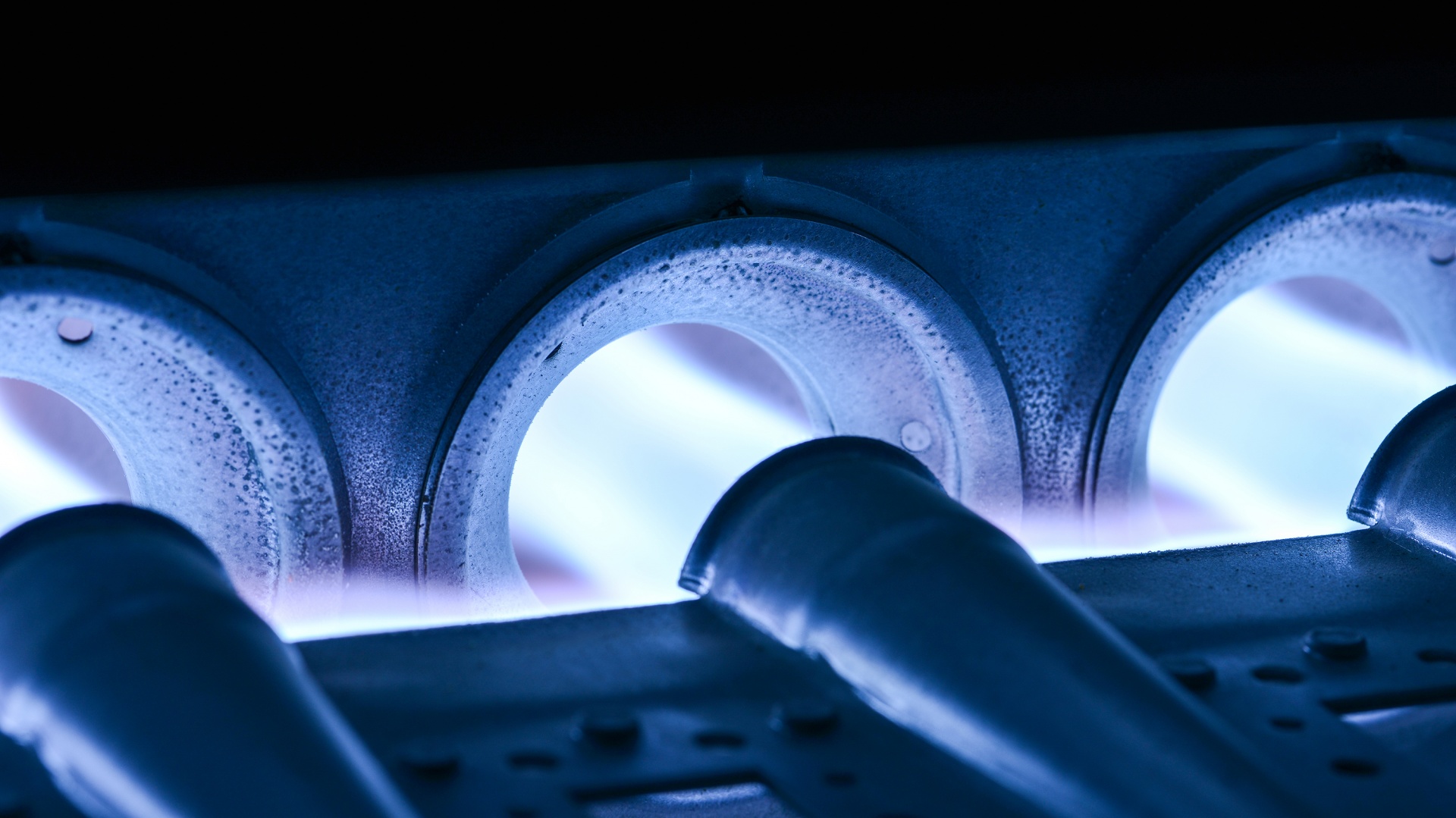
- Fuel combustion: Natural gas is burned in the furnace’s burners to generate heat, which warms air for circulation.
- Condensing technology: A secondary heat exchanger captures extra heat from exhaust gases, increasing efficiency up to 98%.
- Airflow and distribution: A blower fan pushes warm air through ductwork for even, energy-efficient heating.
- Vent and safety systems: Sealed combustion and modern PVC venting safely expel cooler exhaust, improving performance.
Replacement benefits: Upgrading to a high-efficiency natural gas furnace can reduce heating bills, improve comfort, and lower repair risks.
If you’re curious, we’re going to break down the efficiency of a furnace and how high-efficiency systems operate differently from older models that don’t work as tightly. If you’re the proud owner of a high-efficiency furnace, then perhaps this blog post will enlighten you to the approximate amount of gas and money you’re saving on a regular basis.
And, if by chance you’re the owner of an older, less efficient furnace, then maybe this can be your wakeup call to schedule a furnace installation in Kennewick, WA.