

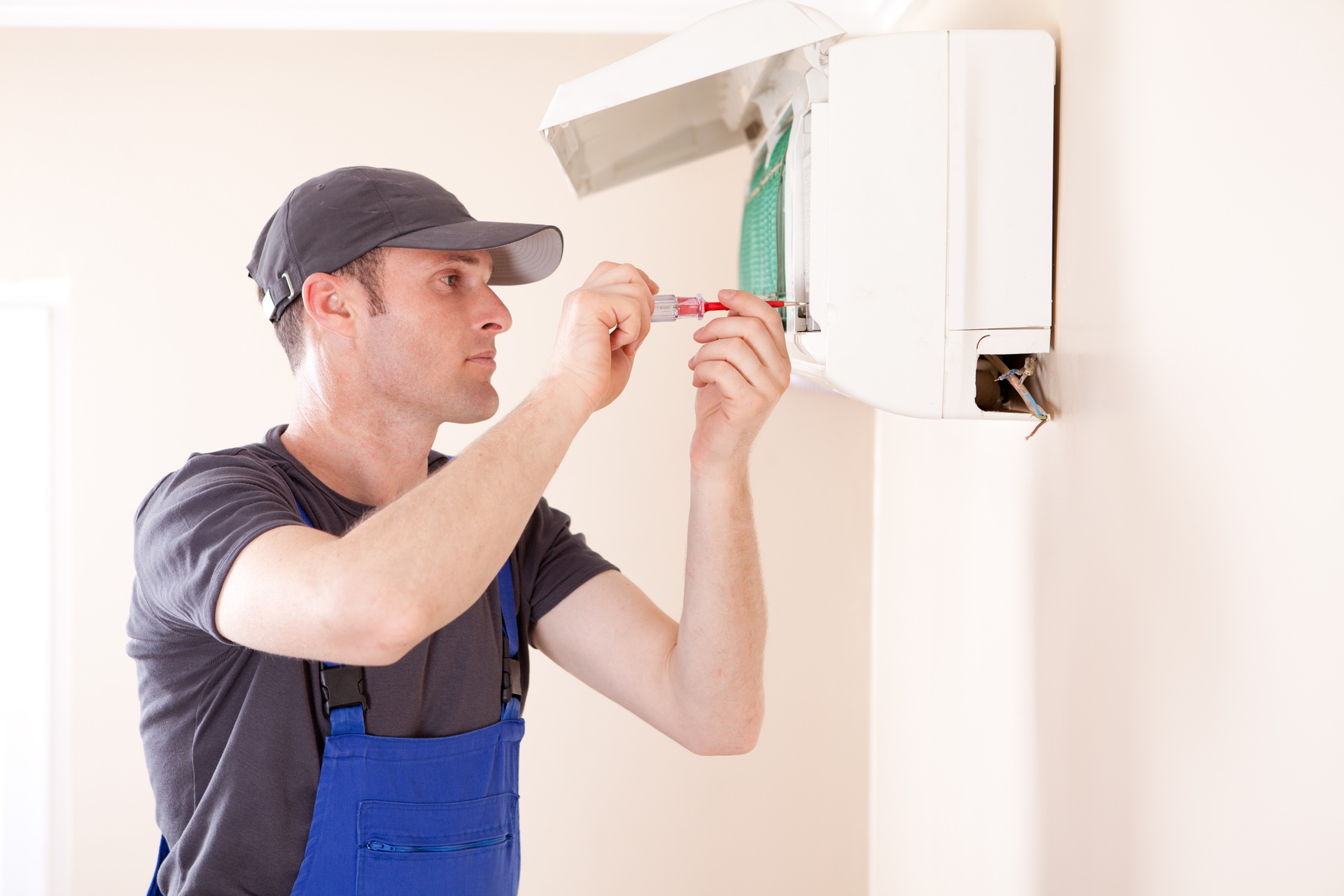
You’ve probably had a few friends or neighbors talk about their new ductless heat pumps. They sound innovative and cool, but there has to be a catch right? Maybe they don’t work as well as people think, or they’re so expensive that regular people on a budget can’t afford them.
The truth is somewhere in the middle, as it always is. Regular people can afford ductless heat pumps, even though the cost of ductless mini split installation is higher than most conventional heating or cooling systems. Factors like system size, installation complexity, and available rebates can all influence the total cost. And they absolutely work as well as people say they do, but efficiency and maintenance has a lot to do with it.
Let’s go on a journey today where we talk about the pros and cons of ductless heat pumps. We’ll discuss why a ductless mini split in Kennewick, WA is a good idea for many of our customers, and how you can start the process of installing one of your own.
How Ductless HVAC Works
First of all, we need to talk about how the system actually works. It’s hard to ethically sell a product to a customer if they don’t fully understand how it works or what might be involved in the process.
A mini split air conditioner consists of two main components: an indoor evaporator unit and an outdoor condenser. Ductless HVAC systems are very simple. They function similarly to a central air conditioning unit with two main exceptions. The first is that they’re heat pumps, which means they can provide air conditioning and also run in reverse to heat your home. The second exception is the fact that they don’t use air ducts like a conventional AC or heat pump. The refrigerant runs directly into an air handler (or air handlers) where the machine sends treated air into your house. These air handlers can be mounted on the wall, ceiling, floor, and practically anywhere.
When selecting a system for your space, it’s important to consider the cooling capacity, which is measured in BTUs or tons, to ensure the unit can effectively cool or heat the intended area.
If you plan to install a ductless mini or install a mini split, be sure to follow the proper installation steps and guidelines for optimal performance and reliability.
Now that you know the gist of how this unit works, let’s talk about the pros and cons!
The Pros of a Ductless System
There are a lot of pros to consider when thinking about a ductless system, but we’ll try to cover the important ones.
- These systems are incredibly efficient. Thanks to avoiding leaky air ducts and with high-efficiency heat pump technology, ductless mini splits can keep a room comfortable with a smaller amount of electricity than a conventional system. You can even shut certain mini splits off in your home to conserve electricity if you’re not in those areas.
- They’re versatile because they can both heat and cool your home. Ductless mini splits are also set up in strategic locations where they can have individual temperature thresholds, leading to completely customized comfort in your home. Multi zone systems allow for independent temperature control in multiple rooms, so each area can be set to a different comfort level. A single unit can efficiently serve one room, while multi-zone systems connect multiple indoor units to one outdoor condenser to handle several rooms at once.
A successful installation ensures your ductless mini split system delivers reliable comfort and energy efficiency for years to come.
The Cons of a Ductless System
Unfortunately, there are a couple cons to this system that we’d like homeowners to be aware of.
- Ductless HVAC systems are more expensive than traditional heating or cooling systems. While it’s true you get two systems in one, they’re still going to be a heavier investment than just getting a furnace or central AC installed.
- Ductless HVAC units are more efficient at milder temperatures. When things get very cold, their efficiency levels can wane and they’ll start to run your electricity bill up. They also require maintenance twice a year due to being both heating and cooling machines.
Installation Considerations
When it comes to installing a ductless mini split system, a little planning goes a long way toward ensuring your new cooling and heating solution works efficiently for years to come. The first step is choosing the right unit for your space—pay close attention to the British Thermal Units (BTUs) required to effectively cool or heat your room or entire home. Selecting a mini split system with the appropriate capacity is crucial for both comfort and energy efficiency.
A typical ductless mini split system includes both indoor and outdoor units, connected by a line set that carries refrigerant and electrical connections. For proper installation, the indoor unit should be mounted on a level surface, away from direct sunlight and heat sources, to help the system operate efficiently. Placement matters: avoid installing the indoor unit near windows or appliances that generate heat, and make sure it’s positioned to distribute cool air evenly throughout the space.
The outdoor condenser unit also needs careful placement. In most cases, it’s best to install the outdoor unit on the north side of your home to minimize exposure to direct sunlight, which can impact performance. Ensure the outdoor condenser is on a level surface with plenty of clearance from walls, plants, or other obstructions to allow for proper airflow and easy maintenance access.
If you’re looking to cool or heat multiple rooms, consider a multi zone system. These setups allow you to install several indoor units, each with its own temperature control, so you can customize comfort in different areas of your home. Strategic placement of each indoor unit is key—think about which rooms need the most cooling or heating and how air will flow between spaces.
Finalizing Your Ductless Mini Split Installation
Installing a ductless mini split system requires careful planning and attention to detail to ensure optimal performance and long-lasting comfort. Key steps include drilling a precise line set hole in the exterior wall to connect the indoor and outdoor units, gently bending and feeding the copper tubing and electrical connections through, and securely mounting the units using the appropriate mounting bracket.
Proper electrical work, including installing a dedicated circuit or disconnect box, is essential and often best handled by licensed electricians with electrical know-how. Following the manufacturer’s step-by-step guide—checking for refrigerant leaks, testing heating and cooling functions, and ensuring unobstructed airflow—will help guarantee a successful ductless mini split installation. By selecting the right unit and adhering to best practices, homeowners can enjoy an energy-efficient ductless mini split system that delivers reliable heating and cooling comfort year-round.
Ultimately, the choice is up to you. But when you’re ready, Americool Heating & Air Conditioning can set you up with a new ductless unit. Your comfort is our business!