
People purchase products for different reasons. Some people just want to save as much money as possible, others want the best product on the market, and a few are really trying to measure that they get the thing they want the most. These are all valid reasons and we’d argue that everyone has a little bit of each type of customer in them.
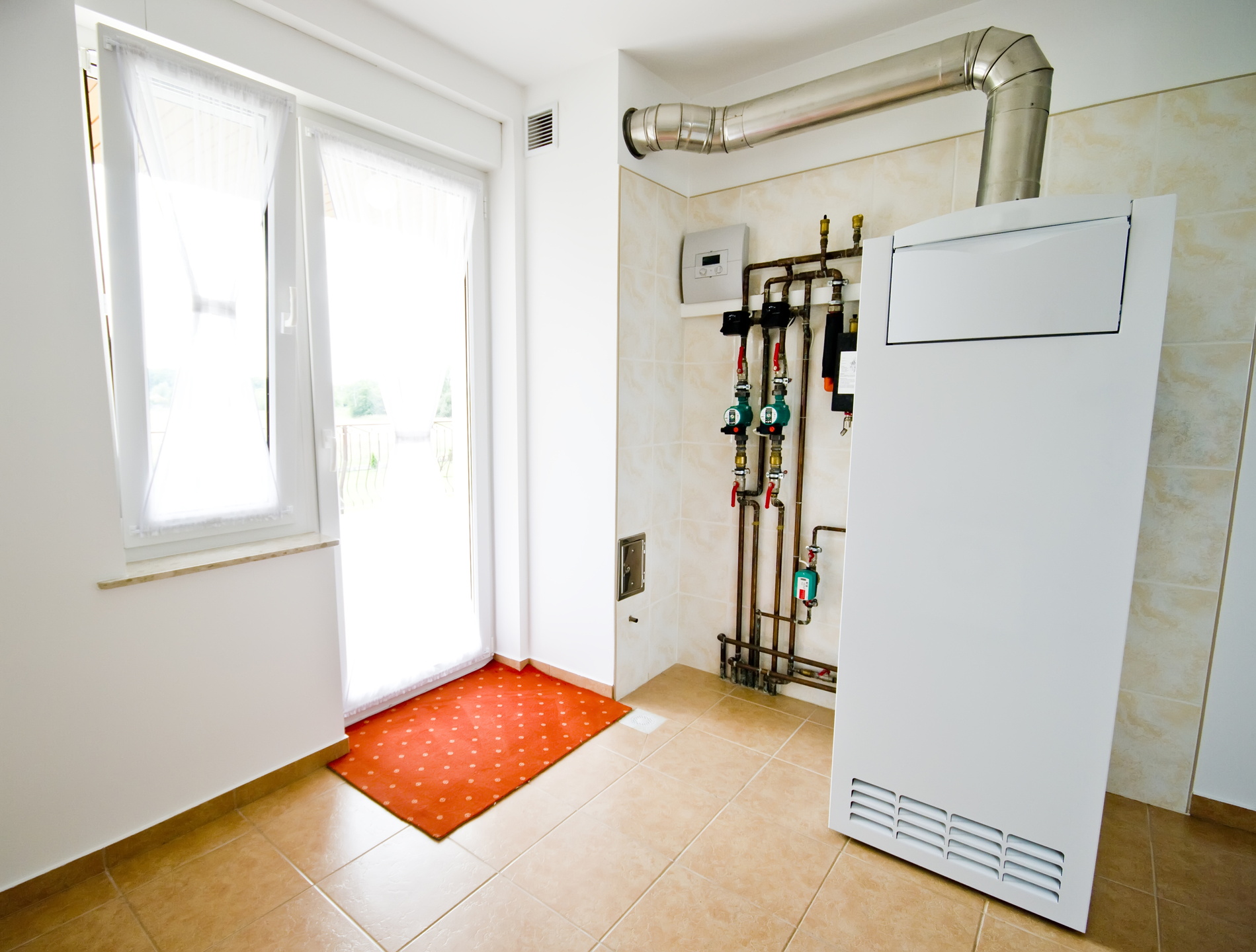
However, when it comes to a forced-air heating system or a radiant heater, we’re talking about two totally different machines that heat your home in very different ways. Sure, a furnace or a heat pump has its pros by using electricity or natural gas to heat the air in your home, but a radiant heating system will actually radiate heat through the walls of your house and cause for you to stay warm in a totally different way.
Today, we’re going to put these systems to the test and finally answer the age-old question–which is better, forced-air heating or a radiant heater like a boiler in Kennewick, WA?
We’re going to cut things up into certain categories and award a winner for each one. Then at the end, hopefully, you’ll see which system works the best for a new purchase.
Which Heating System Is Best for a New Heating Installation?
The best choice for a new heating system installation depends on your priorities for cost, comfort, efficiency, and longevity. Forced-air and radiant heating each offer distinct advantages:
- Affordability: Furnaces are generally more affordable to purchase and operate.
- Ease of installation: Forced-air furnaces are typically easier to install, especially in homes with existing ductwork.
- Efficiency: Heat pumps and radiant systems can provide highly efficient heating.
- Comfort: Radiant heating delivers steady warmth through floors, radiators, or other surfaces.
- Durability: Boilers used for radiant heating can often last longer than furnaces or heat pumps.
Before scheduling a heating installation, consider your home’s existing infrastructure, budget, and comfort preferences to determine which system is the better fit.
Forced Air vs. Radiant Heating: Which Is More Affordable?
Firstly, nothing comes close to the affordability of a furnace. Electric furnaces can be some of the most affordable units on the market, and gas furnaces come pretty close. And, as long as natural gas prices stay as low as they are now, a gas furnace also operates extremely affordably over time. You can really get your money’s worth with a furnace.
Forced Air vs. Radiant Heating: Which Is Easier to Install?
This one also goes to the furnace. Furnaces require ductwork, sure, but that’s usually still more affordable then setting up a series of pipes for a boiler system. We’d argue that a ductless mini split heat pump is the easiest system to install out of every HVAC unit, but these are more expensive to set up than a furnace and they’re also heat pumps, which might not be what certain customers want.
Forced Air vs. Radiant Heating: Which Is More Energy Efficient?
We’d call this a tie. Heat pumps and ductless mini splits have incredibly high efficiency rates for heating a home, but they’re pretty comparable to the efficiency of a boiler or other radiant heating system.
Boilers don’t rely on air ducts to heat a home. Instead they use radiating heat from radiators or pips installed in the floors. This, coupled with the fact that water has a high heat-retention factor, means that you’re using less fuel or energy to keep water in your boiler warm than you would to run a furnace.
But an all-electric heat pump might get the win in this category, if you’ve got the money to get one installed.
Forced Air vs. Radiant Heating: Which Provides Better Comfort?
Boilers absolutely win in this category. Some people say that feeling the heat of a radiant heating system is akin to feeling the warmth of the sun. Since radiant heat goes through objects, it doesn’t just heat the air, it heats everything in your home. This can be great for plants and pets, since things feel cozier and warmer than they would otherwise.
Forced Air vs. Radiant Heating: Which System Lasts Longer
Boilers also eek out a win in this category. While furnaces and heat pumps can last 10-15 years with routine maintenance, a boiler can easily last 20. This is a big difference and sometimes a game-changer when it comes to people scheduling for the future.
Frequently Asked Questions
Question: Is radiant heating better than forced-air heating?
Answer: Radiant heating often provides more even, comfortable warmth because it heats surfaces and objects instead of relying on moving warm air. Forced-air systems can still be a better fit for homeowners who prioritize affordability, faster installation, or existing ductwork.
Question: Which heating system is more affordable, forced air or radiant heat?
Answer: Forced-air systems, especially furnaces, are generally more affordable to purchase and install than radiant heating systems. Radiant systems often require additional piping or specialized installation, which can increase upfront costs.
Question: Is radiant heating more energy-efficient than forced air?
Answer: Radiant heating can operate efficiently because it does not rely on ductwork and water retains heat well in boiler-based systems. However, high-efficiency heat pumps and ductless systems can also provide excellent efficiency depending on the home and installation.
Question: Which heating system provides better comfort?
Answer: Radiant heating typically provides steadier, more consistent warmth because heat spreads through floors, radiators, or other surfaces. Forced-air systems warm rooms quickly, but moving air can sometimes create temperature differences or drafts.
Question: Do radiant heating systems last longer than forced-air systems?
Answer: Boiler-based radiant systems can often last longer than furnaces or heat pumps when properly maintained. The article notes that furnaces and heat pumps may last around 10 to 15 years, while boilers can commonly reach about 20 years.
With us, your comfort is our business. Contact Americool Heating & Air Conditioning today!