
Whether you’re a new homeowner or someone who has raised their whole family in the same place over the years, you’ve probably learned a thing or two about your furnace. An HVAC technician might have told you that it has a “high efficiency,” or someone might have said it’s a “good model,” but what does this mean? How does the efficiency of your furnace impact you or how the system works overall?
How a High-Efficiency Natural Gas Furnace Works and Why Replacement Matters
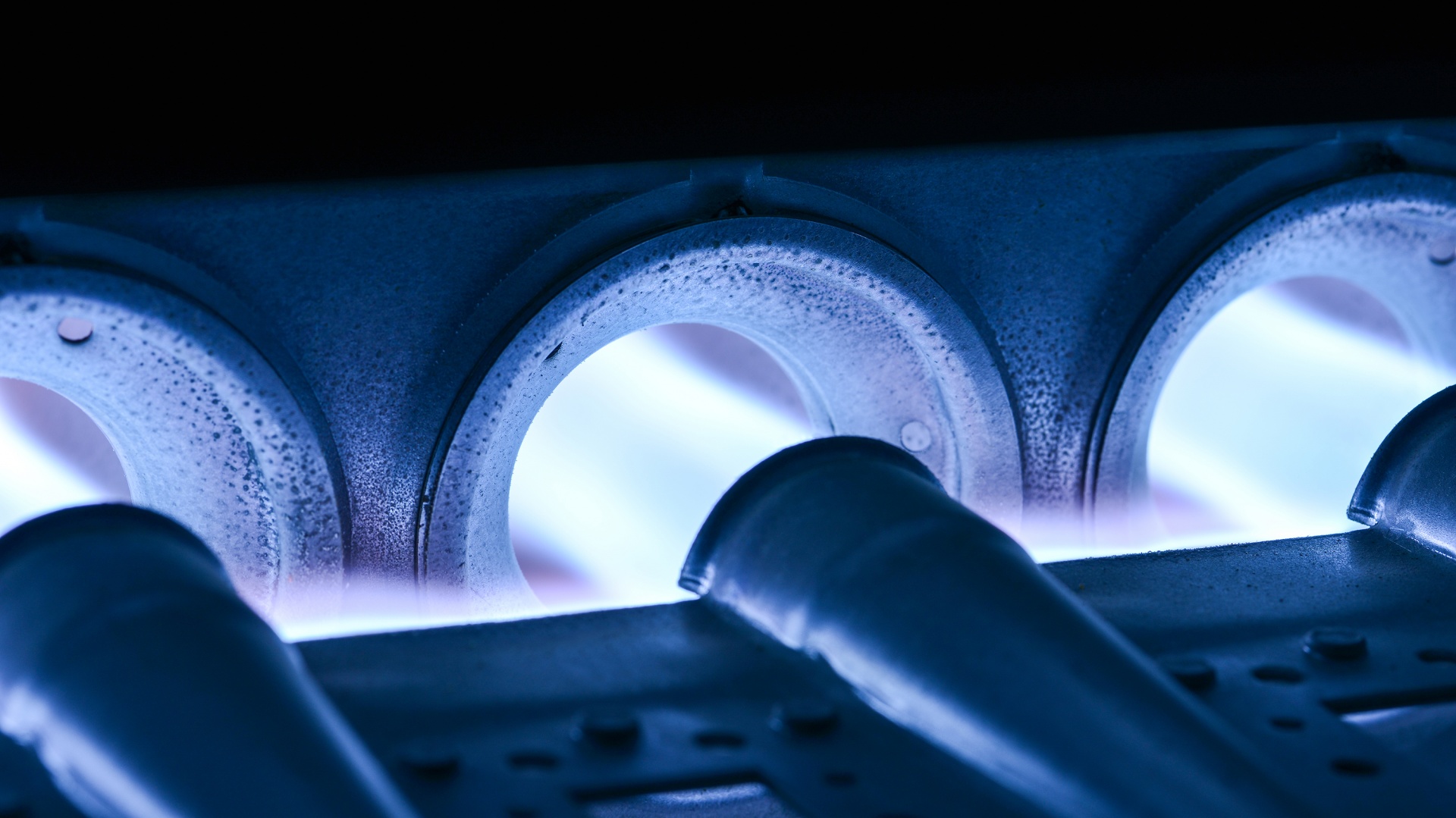
- Fuel combustion: Natural gas is burned in the furnace’s burners to generate heat, which warms air for circulation.
- Condensing technology: A secondary heat exchanger captures extra heat from exhaust gases, increasing efficiency up to 98%.
- Airflow and distribution: A blower fan pushes warm air through ductwork for even, energy-efficient heating.
- Vent and safety systems: Sealed combustion and modern PVC venting safely expel cooler exhaust, improving performance.
Replacement benefits: Upgrading to a high-efficiency natural gas furnace can reduce heating bills, improve comfort, and lower repair risks.
If you’re curious, we’re going to break down the efficiency of a furnace and how high-efficiency systems operate differently from older models that don’t work as tightly. If you’re the proud owner of a high-efficiency furnace, then perhaps this blog post will enlighten you to the approximate amount of gas and money you’re saving on a regular basis.
And, if by chance you’re the owner of an older, less efficient furnace, then maybe this can be your wakeup call to schedule a furnace installation in Kennewick, WA.
How High-Efficiency Furnaces Transfer Heat
Gas furnaces don’t operate the same way that boilers or heat pumps do. They use natural gas that’s pumped into your home from your local municipality. This gas is flammable and produces a powerful flame that creates enough heat to warm an entire house as long as it’s sized correctly.
It’s important to note that the burned gas heats the air in your home, which in turn heats objects and family members. This is why the process of filtering the toxic fumes from the burned gas is so important, since the clean air needs to be kept completely separate from the dirty air.
Then, the process also produces water vapors, carbon monoxide, and other fumes which are sent through the port exhaust of your furnace and are jetted outside. This is the gist of a furnace’s operation. So how do we understand when a furnace has a high efficiency compared to a low efficiency?
Comparing Standard vs. High-Efficiency Furnaces
First things first, anything impacting the airflow of a furnace is going to make it function less efficiently. A clogged air filter, dusty air vents, or even broken air ducts are going to cause a severe problem in your furnace’s ability to heat your home.
Next, the fuel type really matters. If you have a wood furnace, for instance, you’re getting much worse efficiency than a gas furnace would, because gas burns cleaner, producing more heat than wood does. Gas furnaces have the potential of reaching 90+ on the AFUE rating scale, meaning the vast majority of gas being burned turns into heat that you can feel.
Understanding AFUE Ratings and What They Mean
When you take a look at your furnace, the tag on the front should tell you the efficiency level. The higher the number, the more efficient it is. With gas furnaces, the closer that number is to 100, the more fuel-efficient the unit is and the more heat is being produced from a single unit of gas. If there’s no tag on your furnace, then call a professional to find out for you.
Signs You Should Upgrade to a High-Efficiency Furnace
If your furnace works suboptimally, or it just costs too much month to month, it might be time for an upgrade. Work with our team to schedule a new furnace installation or to explore your furnace options.
Frequently Asked Questions
Question: What makes a furnace “high efficiency”?
Answer: A high-efficiency furnace is designed to convert most of the fuel it uses into usable heat, typically achieving an Annual Fuel Utilization Efficiency (AFUE) rating of about 90% or higher. This means it wastes less energy and delivers more heat per unit of fuel burned.
Question: How does a high-efficiency furnace produce heat?
Answer: High-efficiency furnaces burn natural gas or propane in a combustion chamber and then capture and transfer that heat into the home through one or more heat exchangers. Advanced models extract additional heat from combustion gases before venting them.
Question: What is the role of a secondary heat exchanger in a high-efficiency furnace?
Answer: A secondary heat exchanger recovers more heat from exhaust gases that would otherwise be lost in traditional systems. As the gases cool and condense, extra heat is captured and added to the home’s warm air, boosting overall efficiency.
Question: Why does a high-efficiency furnace use sealed combustion?
Answer: Sealed combustion draws air from outside for the fuel-burning process and vents exhaust directly outside. This improves efficiency, reduces drafts, and prevents indoor air contamination, helping the furnace operate safely and effectively.
Question: How does high efficiency affect energy costs and comfort?
Answer: Because high-efficiency furnaces convert more fuel into heat with minimal waste, they typically lower energy bills and maintain more consistent indoor temperatures, keeping homes warmer without excessive fuel use.
At Americool Heating & Air Conditioning, your comfort is our business. Contact our specialists today!